


ring ☎ 0161 388 2552 (office hours)
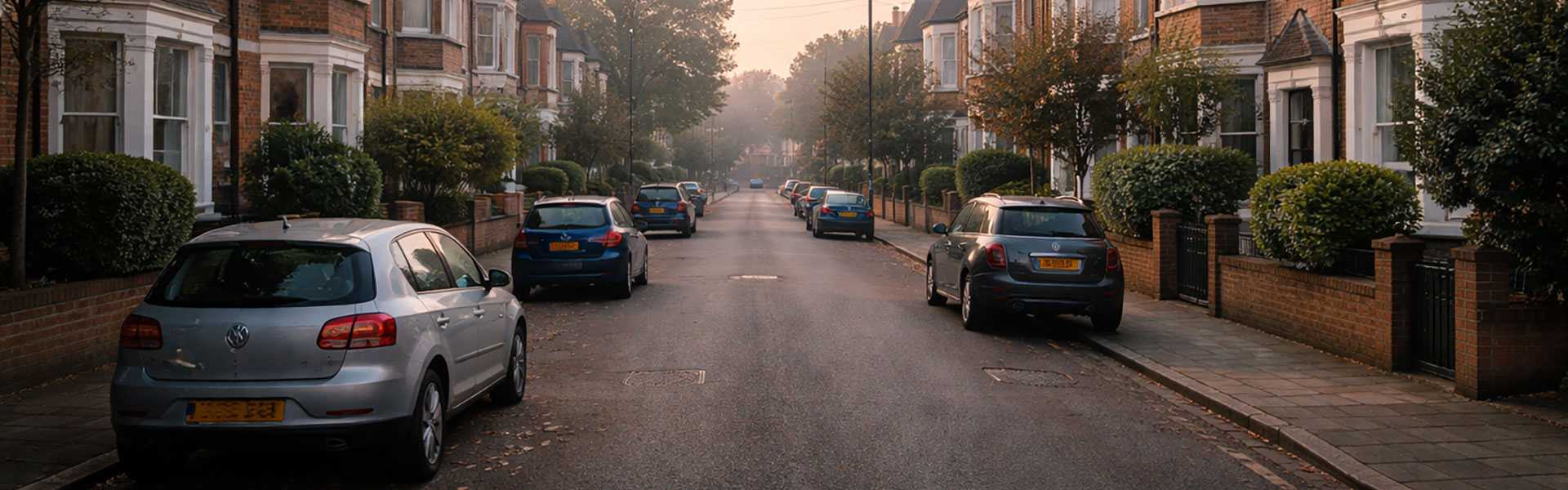
If you have been declined car insurance or quoted unusually high premiums, the location where your car is parked during the day may be one of the reasons. Insurers often assess risk based on postcode data, including where vehicles are kept while not in use.
Some postcodes experience higher levels of claims linked to theft, vandalism, and traffic incidents. Where this pattern exists, insurers may treat vehicles regularly parked in those areas as presenting a higher risk.
Why insurers assess daytime parking locations
Insurance pricing is heavily influenced by claims statistics. If an area has a history of frequent or costly claims, insurers may apply stricter acceptance criteria or higher premiums for vehicles parked there.
This assessment is not aimed at individual drivers. Instead, it reflects broader patterns seen across a particular location. A car parked regularly in a higher-risk area may simply be more exposed to potential damage or theft.
What options may be available
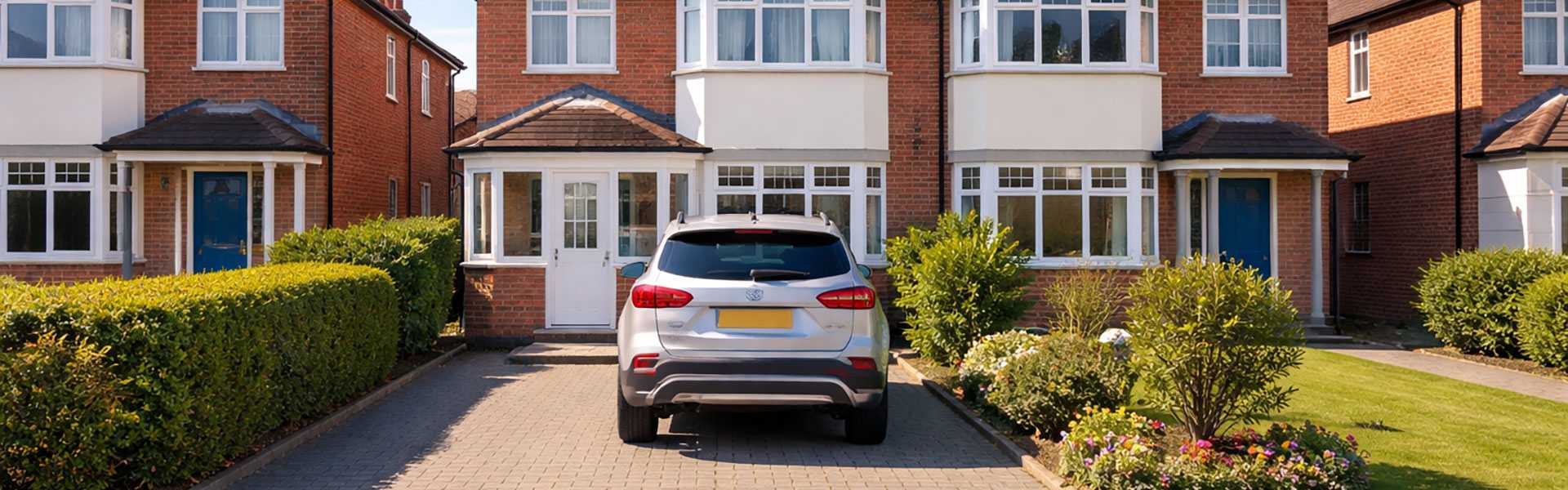
In some situations, it may be possible to reduce risk by using alternative parking arrangements. For example, secure or supervised parking facilities may be available near a workplace or transport hub.
If your parking situation changes, or if you can demonstrate that the vehicle is kept in a more secure location during the day, some insurers may reassess how they view the risk. This varies between providers and is not guaranteed.
Why accurate disclosure is essential
Insurance applications usually ask where a vehicle is parked during both the day and overnight. It is important that these questions are answered honestly and accurately.
Stating that a vehicle is kept in secure parking when this is not the case could cause problems later. If a claim arises and the parking details do not match what was declared, an insurer may review the policy and could decline the claim or take further action.
Understanding the wider impact
Parking-related risk can be frustrating, particularly when it is linked to work or commuting requirements rather than personal choice. However, insurers base decisions on statistical evidence rather than individual intent.
Providing full and correct information about where your car is parked allows insurers to assess the situation properly. Comparing options using accurate details may help you see what cover could be available, even when parking in a higher-risk postcode.